


 813-435-6876
Sports Injury Treatment in Lakeland, FL: Rehab, Recovery and Getting Back in the Game
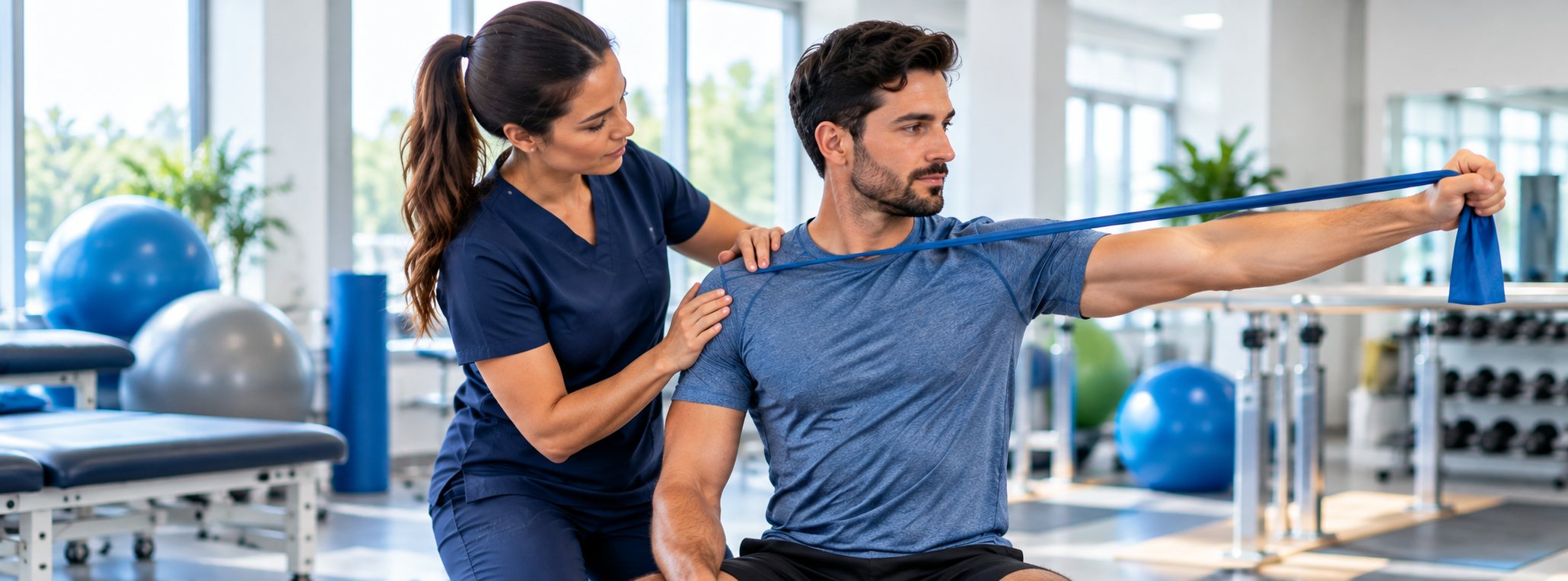
You were mid-sprint, mid-swing or mid-lap around the lake when something twisted, popped or pulled. Maybe you kept playing. Maybe you limped to the sideline. Either way, the question that follows is the same: how do I get back to full strength without making it worse?
Lakeland is an active city. Between weekend leagues, school and college teams, pickleball courts, gym classes and runners circling the lakes, injuries are part of the picture. Florida heat and humidity add another layer, because fatigue and dehydration can quietly raise your risk of a mistake or a strain.
This guide covers the most common sports injuries, the warning signs that matter, and what effective sports injury treatment and rehabilitation looks like in Lakeland, FL.
What Counts as a Sports Injury?
A sports injury is any injury to muscles, bones, joints or connected tissues that happens during sports or exercise. They usually fall into two groups:
- Acute injuries happen suddenly, like an ankle roll, a torn ligament or a hard collision.
- Overuse injuries build slowly from repeated stress, like shin splints, tendon irritation or a stress fracture.
The National Library of Medicine’s MedlinePlus offers a helpful overview of injury types and prevention in its sports injuries health topic. It is a good starting point for general education, but it cannot replace a hands-on exam for your specific injury.
Common Sports Injuries We Treat
Sprains and Strains
A sprain is a stretched or torn ligament, which connects bone to bone. A strain is a stretched or torn muscle or tendon. Ankle sprains and hamstring strains are among the most frequent.
Signs to watch for:
- Pain, swelling or bruising soon after the injury
- A feeling that the joint is loose or unstable
- Weakness or trouble putting weight on the limb
- Muscle tightness or spasm
Knee Injuries
The knee takes a lot of force during running, cutting, jumping and landing. Common problems include ligament injuries, meniscus irritation, patellar tracking pain (often called runner’s knee) and tendon overload.
Signs to watch for:
- Pain on the inside, outside or front of the knee
- Swelling that develops within hours
- Clicking, locking or giving way
- Trouble fully straightening or bending the knee
Shoulder Injuries
Throwing, swinging, swimming and lifting all depend on shoulder stability. Overuse and sudden strain can irritate the rotator cuff, the joint capsule and the surrounding muscles.
Signs to watch for:
- Pain when lifting your arm overhead or reaching behind you
- Night pain that wakes you up
- Weakness or a catching feeling in the joint
- A drop in throwing or swing power
Shin Splints
Shin splints cause aching along the inner edge of the lower leg. They often show up when training volume, surface or footwear changes too fast. Runners, soccer players and new gym-goers are common patients.
Signs to watch for:
- Dull, aching pain along the shin that eases with rest
- Tenderness when you press on the area
- Pain that begins early in a workout and then returns afterward
Stress Fractures
A stress fracture is a tiny crack in a bone from repeated load. It can look like shin splints at first, which is why guessing at home can backfire.
Signs to watch for:
- Pain at one specific spot on the bone that gets worse with activity
- Pain that continues during rest or at night
- Swelling or pinpoint tenderness
If you suspect a stress fracture, stop high-impact activity and get evaluated. Pushing through can turn a small crack into a larger problem.
Concussions
A concussion is a mild traumatic brain injury caused by a blow or jolt to the head or body. You do not have to be knocked out to have one.
Signs to watch for:
- Headache, dizziness or nausea
- Confusion, memory trouble or feeling “foggy”
- Sensitivity to light or noise
- Changes in balance, sleep or mood
Go to the emergency room right away for loss of consciousness, repeated vomiting, a worsening headache, seizures, weakness or numbness, or unusual drowsiness. After a suspected concussion, do not return to play until a qualified healthcare professional clears you.
Back and Neck Strain in Athletes
Twisting, lifting, tackling and repetitive motion can irritate the muscles, joints and discs of the spine. If back pain travels into a leg or comes with tingling, read our guide on whether physical therapy can help a herniated disc.
When Should You See a Doctor for a Sports Injury?
Book an evaluation if you notice any of the following:
- Pain that lasts more than a few days or keeps getting worse
- Swelling, bruising or a joint that feels unstable
- Numbness, tingling or weakness
- Pain that returns every time you resume training
- A drop in performance that you cannot explain
Searching “sports injury near me” is a good first step, but the right provider matters just as much as the location. Look for a clinic that examines the whole movement chain, not only the sore spot, and that builds rehab around your sport and your goals.
Sports Injury Treatment at Iron Spine Medical
At Iron Spine Medical in Lakeland, Dr. Christopher King and our team focus on finding out why the injury happened, not just where it hurts. Your plan depends on your exam, your sport and your timeline. It may include:
Detailed Evaluation
We review your injury, training habits and medical history, then check posture, joint motion, strength, balance and movement patterns. If something looks like it needs imaging or a specialist, we will guide you to the right next step.
Sports Injury Rehabilitation and Physical Therapy
Good sports injury rehab restores more than comfort. It rebuilds strength, mobility and control so you can return with less risk of re-injury. Our physical therapy in Lakeland, FL uses guided exercises, hands-on care and progressive loading matched to your sport.
Chiropractic Care
Targeted chiropractic adjustments can help improve joint motion and ease stiffness in the spine and extremities, which supports smoother movement during rehab. Curious about what happens during a visit? See how chiropractic adjustments work for your spine.
SoftWave Therapy
For stubborn tendon and soft tissue pain, SoftWave therapy uses acoustic waves to support the body’s natural healing response. It is often considered for lingering problems like overworked tendons and tight, irritated muscle tissue.
Decompression Therapy
When athletic strain contributes to disc-related back or leg pain, decompression therapy may help relieve pressure on irritated spinal structures. Your exam will determine whether you are a good candidate.
What Recovery Usually Looks Like
Every injury is different, but most rehab follows a similar path:
- Calm the injury. Reduce pain and swelling and protect the area.
- Restore motion. Gently regain normal range of movement.
- Rebuild strength. Strengthen the injured area and the muscles that support it.
- Retrain movement. Practice sport-specific skills like cutting, landing, throwing or running.
- Return gradually. Increase intensity in steps rather than all at once.
Rushing step five is one of the biggest reasons athletes get hurt again.
Simple Ways to Lower Your Risk
- Warm up before you play and cool down after
- Increase training volume slowly
- Replace worn-out shoes and use properly fitted gear
- Hydrate well in Lakeland’s heat and take shade breaks when you can
- Build strength in the hips, core and shoulders
- Treat small aches early instead of waiting for them to grow
Ready to Get Back to Your Sport? Call Iron Spine Medical in Lakeland
Don’t let a nagging ache turn into a season on the sidelines. Whether you are dealing with knee injuries, shoulder injuries, sprains and strains, shin splints or lingering concussion symptoms, we are here to help you recover the right way.
Contact us today to schedule your sports injury evaluation, or browse our full list of services and patient FAQs.
Iron Spine Medical
1847 N Crystal Lake Drive, Lakeland, Florida 33801
813-435-6876

Frequently Asked Questions About Sports Injury Treatment
How do I know if my injury is a sprain, a strain or something more serious?


It is hard to tell by feel alone. Sprains, strains, stress fractures and joint injuries can look alike at first. A physical exam helps identify the likely cause and decide whether imaging or a referral is needed.
Do I need a referral to get sports injury treatment in Lakeland?
In many cases you can schedule an evaluation directly. Requirements can vary by insurance plan, so it is smart to check your plan or contact our office to ask.
Can I keep playing while I rehab?
Sometimes, with modifications. Your provider may adjust your training so you stay active without stressing the injured area. For concussions and suspected fractures, you should stop and get cleared first.
How long does sports injury rehabilitation take?
Mild sprains and strains may improve within a few weeks, while ligament, tendon, bone or disc-related problems can take longer. After your exam, you will get a realistic timeline that is adjusted as you progress.
Can a chiropractor help with sports injuries?
Yes, for many musculoskeletal injuries. Chiropractic care is often combined with rehab exercises and other therapies. If your exam suggests an injury that needs a different type of care, we will refer you appropriately.
Do you treat injuries from weekend sports and gym workouts, not just competitive athletes?
Absolutely. You do not have to be a competitive athlete to get hurt. We see weekend players, runners, lifters, parents coaching youth teams and people who simply stay active.
What is the difference between shin splints and a stress fracture?
Shin splints usually cause a spread-out ache along the lower leg that eases with rest. A stress fracture tends to cause pain at one precise spot on the bone and may hurt even at rest. If you are unsure, get it checked before returning to high-impact activity.
This article is for general education and is not a substitute for professional medical advice, diagnosis or treatment. If you think you have a medical emergency, call 911.


 813-435-6876
